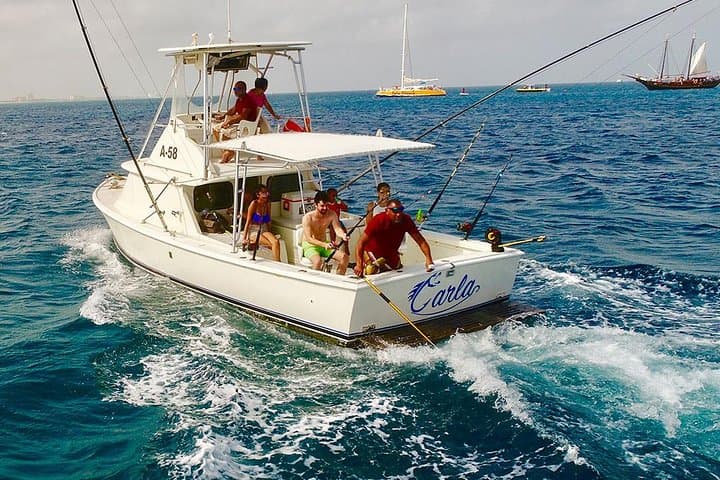
Fishing in Aruba
Welcome to Aruba, a Caribbean paradise where azure waters meet sun-kissed shores, making it an ideal destination for fishing enthusiasts. The island boasts a rich marine ecosystem and offers a diverse range of fishing experiences, from deep-sea adventures to serene inshore excursions. Whether you're an experienced angler or a novice looking to cast your first line, Aruba has something for everyone.
Top Fishing Spots
Oranjestad
The vibrant capital of Aruba, Oranjestad is not only a hub for shopping and dining but also an excellent fishing spot. Here, you can experience both deep-sea fishing and inshore fishing.
- Fish Species: Mahi-mahi, barracuda, and snapper are commonly caught here.
- Techniques: Trolling and bottom fishing are effective methods.
- Best Season: The summer months (May to September) yield the best catches.
Palm - Eagle Beach
Known for its stunning beaches, Palm - Eagle Beach offers excellent opportunities for fishing right off the shore.
- Fish Species: Anglers can target species like bonefish, tarpon, and jack crevalle.
- Techniques: Fly fishing and light tackle spinning work best in this area.
- Best Season: Year-round fishing is possible, but the best months are from December to April.
Paradera
For those looking to escape the crowds, Paradera provides a tranquil fishing experience with access to both freshwater and saltwater fishing.
- Fish Species: You can catch tilapia in freshwater areas and snook in the saltwater lagoons.
- Techniques: Fly fishing in lagoons and bait fishing in freshwater ponds are recommended.
- Best Season: The best fishing is typically from late spring through early fall.
Deep Sea Fishing
Aruba’s surrounding waters are teeming with life, making it a prime location for deep-sea fishing.
- Fish Species: Blue marlin, wahoo, and yellowfin tuna are among the prized catches.
- Techniques: Trolling with live bait or lures is the preferred method for targeting larger species.
- Best Season: The peak season for deep-sea fishing is from January to April.
Inshore Fishing
Inshore fishing offers a different but equally exciting experience.
- Fish Species: Anglers can catch species like snapper, grouper, and triggerfish.
- Techniques: Bottom fishing and light tackle spinning are popular choices.
- Best Season: Inshore fishing is fruitful year-round, with certain species peaking in different months.
Popular Fish Species
- Mahi-mahi: Known for its vibrant colors and delicious taste, this fish is a favorite among anglers.
- Blue Marlin: A powerful game fish, blue marlin can weigh over 400 pounds, making it a thrilling catch.
- Snapper: A staple in Aruban waters, snappers are versatile and can be caught in both deep and shallow waters.
- Bonefish: Renowned for their speed and agility, bonefish are a prized target for fly fishermen.
- Tarpon: Known as the “silver king,” tarpon are famous for their acrobatics and are a challenge to catch.
Best Time to Fish
The fishing calendar in Aruba is as diverse as its marine life. Generally, the best time to fish varies depending on the species:
- Year-Round: Snapper, grouper, and tarpon can be targeted at any time of the year.
- Peak Season: January to April is ideal for big game fishing, particularly for blue marlin and wahoo.
- Summer Months: May to September is perfect for mahi-mahi and other pelagic species.
- Winter Months: December to April offers excellent fishing conditions for inshore species.
Fishing Tips
To make the most of your fishing experience in Aruba, consider the following tips:
- Gear: Bring your own gear if possible, or check with local charters about rental options.
- Local Knowledge: Hire a local guide who knows the best spots and techniques tailored to the season.
- Respect Nature: Practice sustainable fishing and adhere to local regulations.
Need to Know
Before you cast your line, here are some important things to keep in mind:
- Fishing License: A fishing license is required for both residents and visitors. Check with local authorities for details.
- Regulations: Familiarize yourself with local regulations regarding catch limits and protected species.
- Safety: Always wear a life jacket when fishing from a boat, and keep safety equipment on hand.
In conclusion, Aruba is a fisherman’s paradise offering diverse fishing experiences. Whether you’re looking to reel in a massive blue marlin or enjoy a peaceful day fishing for snapper, the island’s rich waters and stunning scenery make it a top destination for anglers. Pack your gear and get ready for an unforgettable fishing adventure in Aruba!