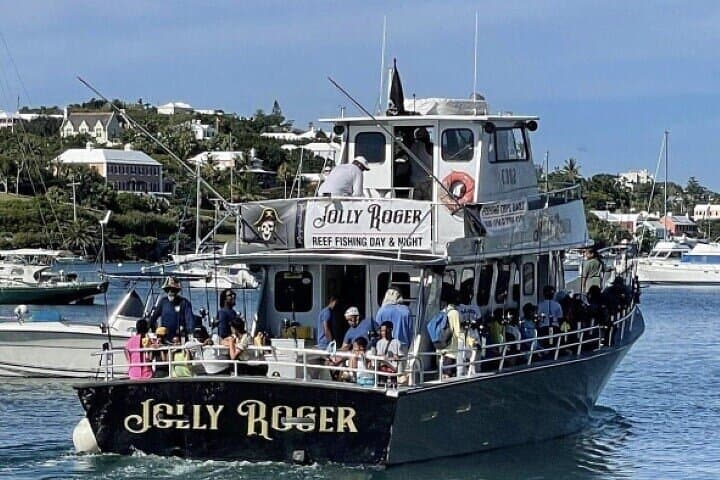
Fishing in Bermuda
Welcome to Bermuda, a paradise for fishing enthusiasts! Known for its stunning turquoise waters and vibrant marine life, Bermuda offers an unparalleled fishing experience that caters to both seasoned anglers and beginners alike. With a diverse range of fishing environments, from deep-sea adventures to tranquil inshore spots, you’ll find everything you need for an unforgettable fishing trip.
Whether you are casting a line from a boat, shore, or even diving for underwater treasures, Bermuda's rich waters teem with fish species that promise excitement and adventure. Get ready to explore Bermuda’s top fishing spots, learn about the best techniques, and discover the fish species that await you!
Top Fishing Spots
1. The Bermuda Triangle
The iconic Bermuda Triangle is not just known for its mysterious disappearances but also for its rich fishing grounds. This area is teeming with
Best Techniques: Trolling and deep-drop fishing during early mornings or late afternoons yield the best results.
Peak Season: June to September is ideal for big game fishing.
2. The North Shore
The North Shore of Bermuda is a fantastic location for inshore fishing, especially around the rocky outcrops and coral reefs. Here, you can catch
Best Techniques: Use light tackle and live bait for the best chances of success.
Peak Season: Year-round, but particularly lively from October to May.
3. South Shore Beaches
The South Shore Beaches offer an excellent opportunity for surf casting, catching species like
Best Techniques: Surf casting with lures or bait, especially during the early morning or late evening.
Peak Season: April through November.
4. St. George's Harbor
Rich in history and charm, St. George's Harbor is not only a UNESCO World Heritage site but also a great spot for fishing. Here, you can target
Best Techniques: Bottom fishing and light tackle spinning are effective here.
Peak Season: May through October.
5. The Deep Sea
If you’re looking for an adrenaline rush, deep-sea fishing in Bermuda is a must! The waters off the coast are home to large pelagic species such as
Best Techniques: Big-game trolling with heavy tackle will give you the best chance at landing a trophy fish.
Peak Season: April to November, with the best marlin fishing in June.
Popular Fish Species
The ultimate challenge for big-game anglers, these fish can weigh hundreds of pounds.
Best Time to Fish
Bermuda’s fishing opportunities are plentiful throughout the year, but certain species have peak seasons. Here’s a quick overview:
Excellent for big game fishing, including tuna and marlin. Ideal for inshore species like jack crevalle and flounder.
Fishing Tips
To make the most of your fishing experience in Bermuda, consider the following tips:
Ensure you have appropriate tackle for both inshore and offshore fishing. Be mindful of local fishing practices and regulations. Live bait often outperforms artificial lures in Bermuda's waters. The sun can be intense, so keep water handy.
Need to Know
Bermuda has specific regulations that all anglers must adhere to:
Book your charter in advance, especially during peak season, to secure your spot on the water.
With its breathtaking scenery and abundant marine life, Bermuda is a dream destination for any angler. Whether you are after the thrill of big-game fishing or a relaxing day of casting from the shore, Bermuda has it all. Book your fishing charter with FinSeeker and embark on the fishing adventure of a lifetime!