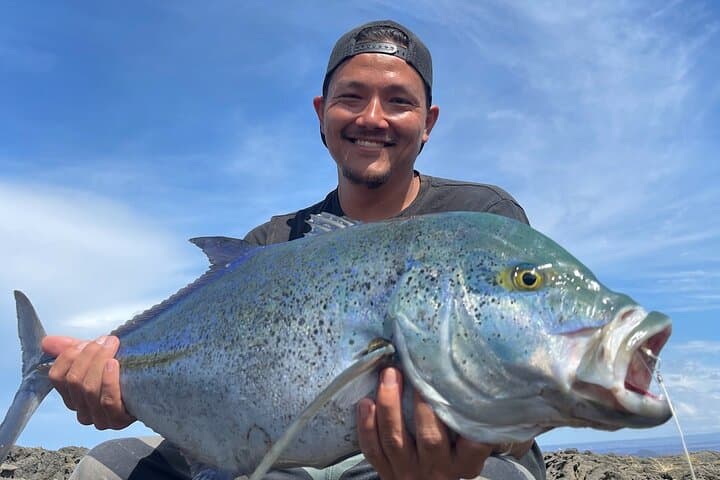
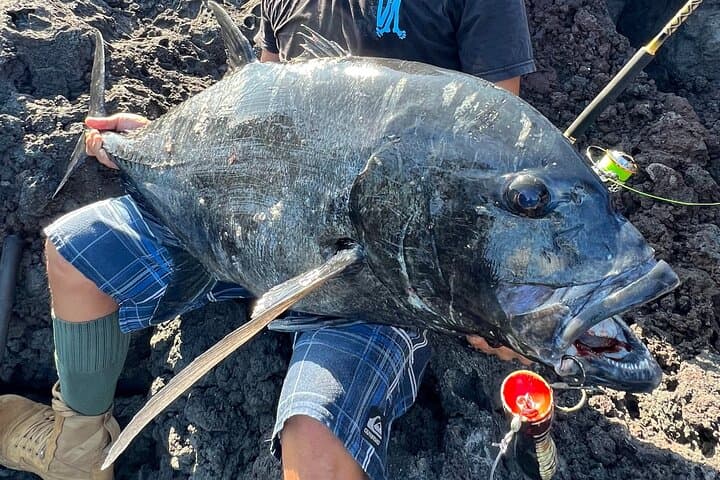
Fishing in Big Island of Hawaii
Welcome to the Big Island of Hawaii, a true fishing paradise that promises an unforgettable angling experience. With its crystal-clear waters, diverse ecosystems, and stunning landscapes, the Big Island offers a wide range of fishing opportunities, from deep-sea adventures to tranquil inshore fishing. Whether you're a seasoned angler or a beginner looking to cast your first line, the Big Island has something for everyone.
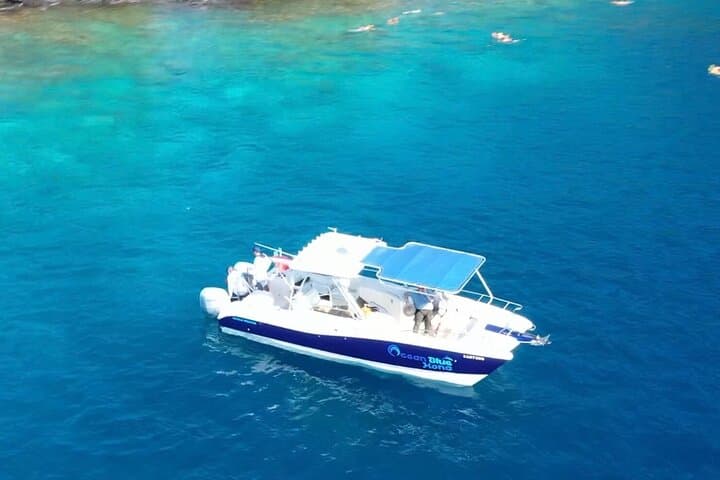
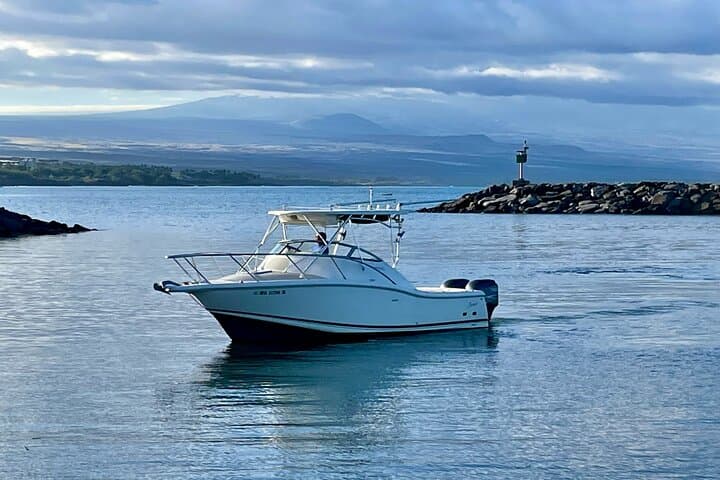
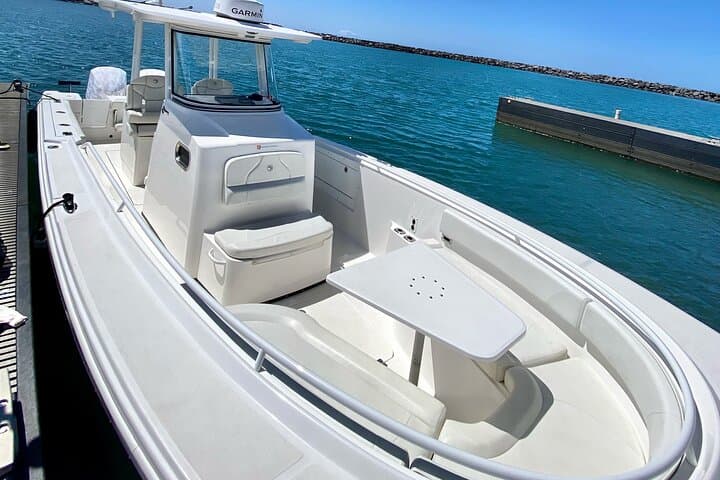
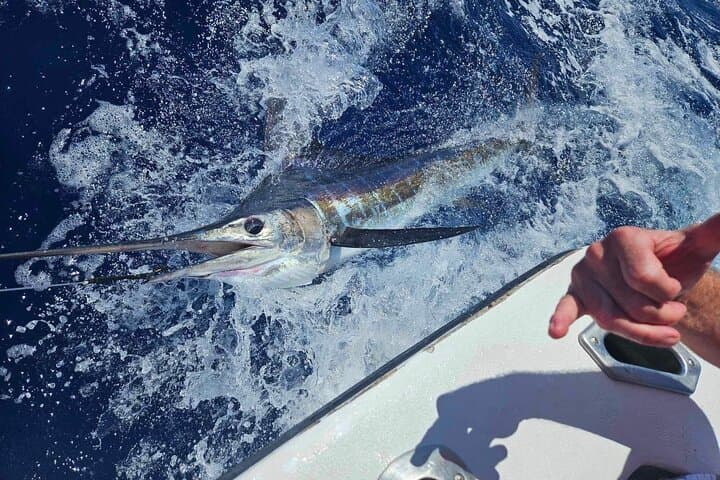
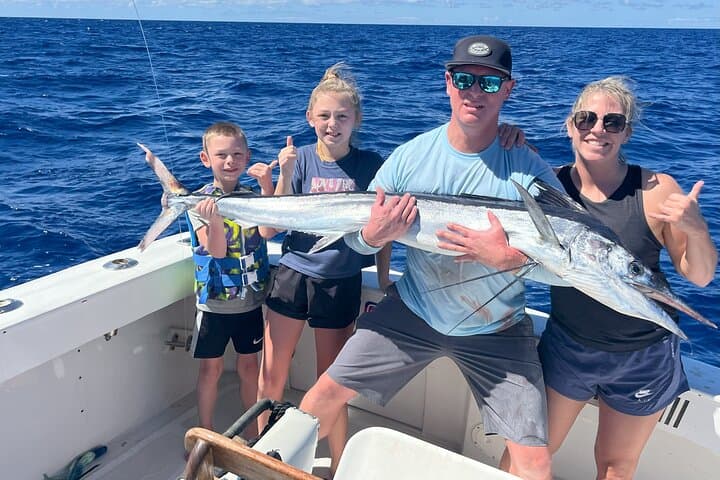
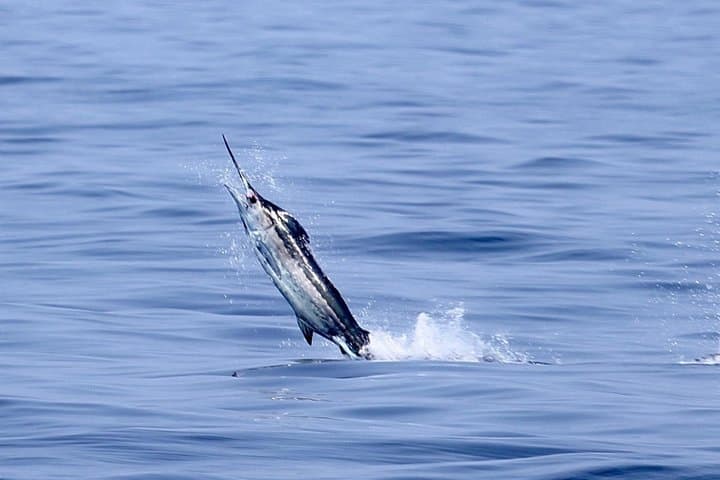
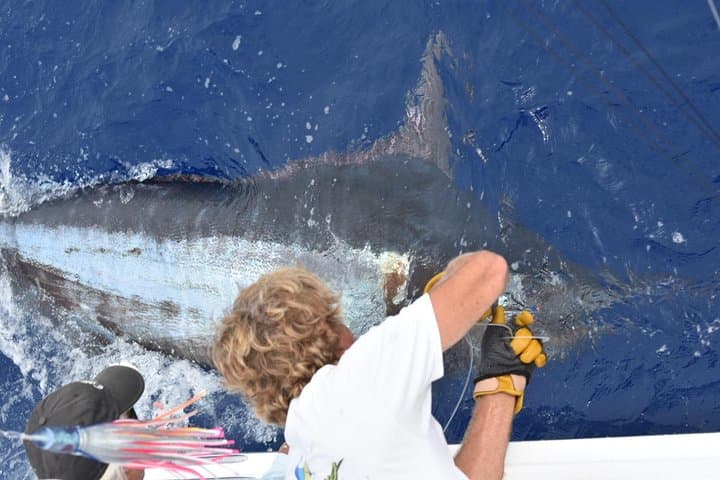
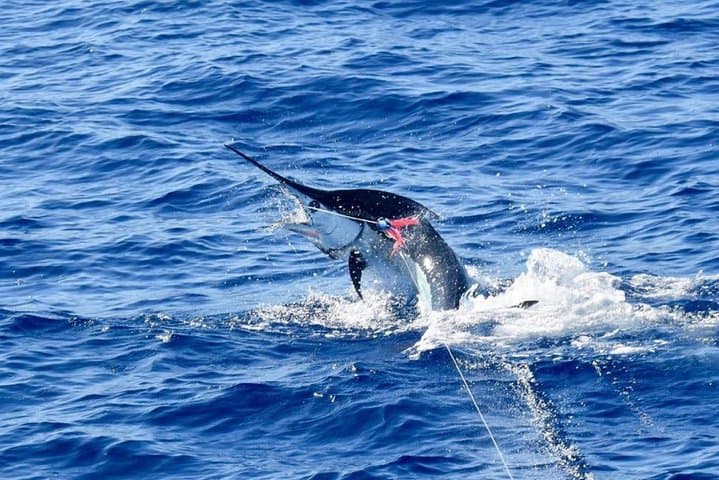
Experience the thrill of reeling in a majestic marlin or enjoy a peaceful day fishing for snapper in the calm lagoons. With 14 fishing charters available, anglers will find everything they need to make the most of their fishing adventure.
Top Fishing Spots
1. Kona Coast
The Kona Coast is renowned for its deep-sea fishing, making it one of the most popular spots for anglers. Here, you can target a variety of big game fish, including:
- Blue Marlin
- Yellowfin Tuna
- Mahi-Mahi
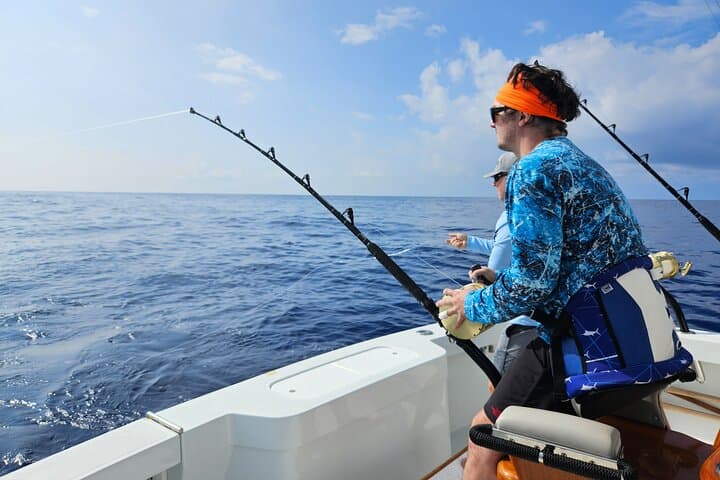
The best time to fish here is during the summer months when the water temperatures rise, attracting larger fish. Techniques such as trolling with live bait or lures work well in this area.
2. Hilo Bay
If you're looking for a more laid-back fishing experience, Hilo Bay offers excellent inshore fishing. Anglers can catch:
- Snapper
- Grouper
- Bonefish
This spot is particularly good during the early morning or late afternoon. Fly fishing and light tackle are popular methods here, allowing for a more intimate encounter with the local fish.
3. South Point
The South Point area is known for its unique fishing landscape, with cliffs and rocky shorelines. Here, anglers can target:
- O'io (Bonefish)
- Triggerfish
- Surgeonfish
Try bottom fishing with cut bait for the best results. The ocean currents can be strong, so be prepared with suitable gear to handle the conditions.
4. Puako
For those interested in shore fishing, Puako is an excellent choice. This location is perfect for catching:
- Parrotfish
- Surgeonfish
Bring light tackle and fish near the rocky outcrops for the best chances. The best times to fish here are during low tide when fish are more concentrated.
5. Kailua-Kona
The lively town of Kailua-Kona is not only a great place to explore but also an excellent fishing hub. Here, you can find:
- Wahoo
- Ono
This area is known for its vibrant marine life, and the best time to fish is during the dry season when the ocean is calmer. Trolling is a highly effective technique here.
Popular Fish Species
- Blue Marlin: One of the most sought-after game fish, known for its incredible size and fighting ability.
- Mahi-Mahi: A colorful fish popular for its delicious taste, often found in warmer waters.
- Yellowfin Tuna: A staple of Hawaiian fishing, known for its speed and size.
- Snapper: A versatile and tasty fish, great for both inshore and offshore fishing.
- Bonefish: Known for their challenging catch, they provide a thrilling experience for fly fishers.
Best Time to Fish
The Big Island offers year-round fishing opportunities, but certain times are better for specific species:
- Summer (May to September): Best for Blue Marlin and Mahi-Mahi.
- Fall (October to November): Ideal for Yellowfin Tuna.
- Winter (December to February): Good for Wahoo and Ono.
- Spring (March to April): Great for Snapper and Grouper.
While some species are available year-round, planning your trip around peak seasons can significantly enhance your fishing experience.
Fishing Tips
- Gear: Depending on your fishing spot, bring a mix of light and heavy tackle. A good selection of lures and live bait is recommended.
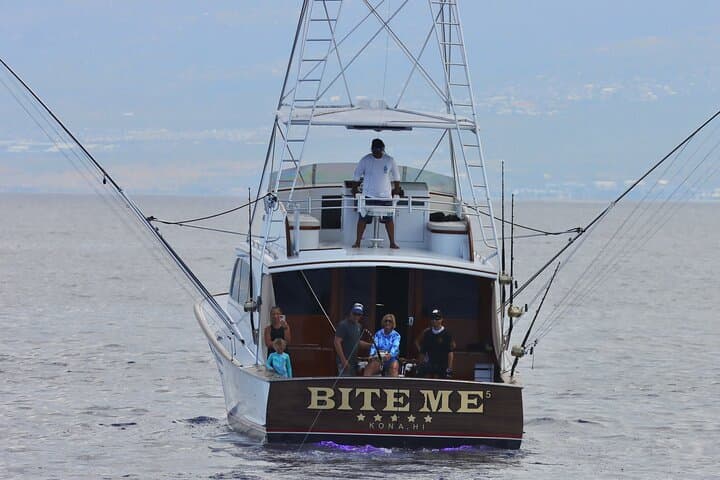
- Local Knowledge: Consider hiring a local charter for the best tips and to learn the waters.
- Stay Hydrated: The Hawaiian sun can be intense, so drink plenty of water while you're out on the water.
- Respect the Environment: Practice catch and release when possible and be mindful of local fishing regulations.
Need to Know
Before you head out fishing in the Big Island, here are some important regulations and practical information:
- Fishing License: A fishing license is required for freshwater fishing, but not for saltwater fishing.
- Regulations: Familiarize yourself with local regulations regarding catch limits and protected species.
- Safety: Always wear a life jacket and check weather conditions before heading out.
- Charters: Book your charters in advance, especially during peak fishing seasons.
Whether you're aiming for a trophy fish or simply want to enjoy a day on the beautiful waters of the Big Island, the fishing opportunities here are sure to create lasting memories. Grab your gear and get ready for an adventure in one of the most stunning fishing destinations in the world!