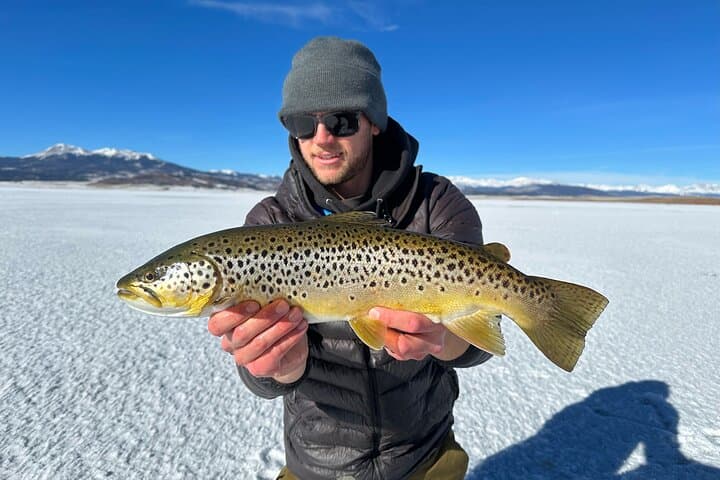
Fishing in Colorado
Welcome to Colorado, a land of breathtaking landscapes and diverse fishing opportunities. Whether you’re casting a line in a tranquil mountain lake or battling the currents of a roaring river, Colorado has something for every angler. With its stunning backdrops and abundant fish species, it’s no wonder that fishing in Colorado is a bucket-list experience for many.
From the majestic Rocky Mountains to serene plains, the state's varied ecosystems provide an array of fishing experiences. Join us as we explore the top fishing spots, the best times to fish, and essential tips to make your next fishing trip in Colorado unforgettable.
Top Fishing Spots
1. Pagosa Springs
Located in the San Juan Mountains, Pagosa Springs is a hotspot for anglers looking to catch trout. The San Juan River offers some of the best fishing in the state, renowned for its trophy-sized rainbow and brown trout. Best techniques include fly fishing and spin casting.
- Best Season: Spring and fall are ideal for catching larger trout.
- Tip: Early mornings and late afternoons yield the best results.
2. Glenwood Springs
Glenwood Springs is famous for its hot springs and excellent fishing. The Colorado River runs through this region, offering anglers the chance to catch brown trout, rainbow trout, and even the occasional lake trout in nearby lakes.
- Best Technique: Drift fishing is particularly effective here.
- Best Season: Summer months are perfect for river fishing.
3. Steamboat Springs
Known for its ski slopes, Steamboat Springs also boasts fantastic fishing opportunities, particularly in the Yampa River. This river is home to a healthy population of rainbow and brown trout and offers both wading and float fishing options.
- Best Time: Late spring through early fall.
- Tip: Use nymphs and streamers for the best results.
4. Rocky Mountain National Park
A true gem for outdoor enthusiasts, Rocky Mountain National Park offers pristine lakes and streams filled with native cutthroat trout. Fishing here is as much about the scenery as it is about the fishing.
- Best Spots: Bear Lake and Dream Lake.
- Best Technique: Fly fishing is recommended due to the clear waters.
5. Fort Collins
Fort Collins is surrounded by numerous fishing options, including the Poudre River and Horsetooth Reservoir. Anglers can expect to catch trout, largemouth bass, and catfish.
- Best Time: Spring and fall for river fishing.
- Tip: Look for shaded areas during hot summer days.
Popular Fish Species
- Rainbow Trout: Known for their vibrant colors and acrobatic fights, rainbow trout are commonly found in Colorado's rivers and lakes.
- Brown Trout: A favorite among anglers, brown trout can grow to impressive sizes and are often found in colder waters.
- Cutthroat Trout: The native trout of Colorado, they are prized for their beauty and taste.
- Pike: Northern pike can be found in many larger lakes and are known for their aggressive behavior.
- Largemouth Bass: Ideal for those looking for a fight, these fish are commonly found in reservoirs.
Best Time to Fish
The peak fishing seasons in Colorado vary by species and location. Here’s a quick overview:
- Spring: Excellent for trout as they become more active post-winter.
- Summer: Ideal for both river and lake fishing, with a wide range of species available.
- Fall: Another great season for trout, especially with the fall spawn.
- Winter: Ice fishing is popular in many parts of Colorado, particularly in the high country.
Fishing Tips
- Gear: Bring a variety of lures and flies, especially nymphs and streamers for river fishing.
- Stay Hydrated: The high altitude can dehydrate you quickly, so drink plenty of water.
- Respect Nature: Follow local guidelines and leave no trace to preserve the beautiful environment.
Need to Know
Before you head out, here are some important regulations and practical information:
- Fishing License: A valid Colorado fishing license is required for all anglers aged 16 and older.
- Regulations: Familiarize yourself with specific regulations for each water body, as rules may vary.
- Weather: Check the weather forecast before your fishing trip; conditions can change rapidly in the mountains.
With its stunning landscapes and diverse fishing opportunities, Colorado is a destination that every angler should explore. Whether you're a novice or a seasoned pro, the waters of Colorado promise an unforgettable fishing adventure!