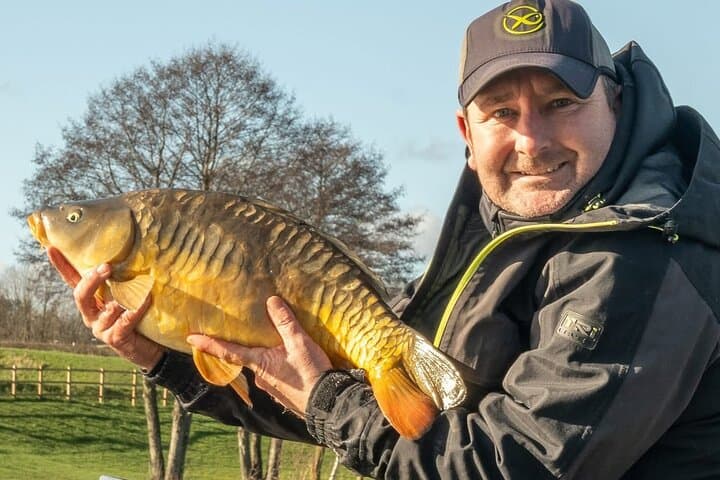
Fishing in East Midlands
Welcome to the East Midlands, a hidden gem for fishing enthusiasts in the heart of England. With its diverse range of water bodies, from serene lakes to flowing rivers, this region offers an array of fishing experiences that cater to both beginners and seasoned anglers. Whether you're casting a line in the tranquil waters of Nottingham or exploring the rich fishing heritage of Leicester, you'll find that East Midlands is a paradise waiting to be discovered.
In this guide, we’ll explore the top fishing spots, the fish species you can target, and provide you with essential tips to make your fishing adventure in the East Midlands memorable.
Top Fishing Spots
1. River Trent
The River Trent is one of the most popular fishing locations in the East Midlands, flowing through Nottingham and beyond. This river is rich in biodiversity and offers various fishing opportunities.
- Fish Species: Barbel, chub, bream, and pike.
- Best Techniques: Float fishing and feeder fishing work well here, especially during the warmer months.
- Best Seasons: Late spring to early autumn for barbel and chub; winter for pike.
2. Rutland Water
Rutland Water is renowned as one of the premier trout fishing venues in the UK. This large reservoir provides ample opportunities for both bank and boat fishing.
- Fish Species: Rainbow trout, brown trout, and pike.
- Best Techniques: Fly fishing, particularly during the evening rise, is highly effective.
- Best Seasons: March to November, with peak times in spring and autumn.
3. The Grand Union Canal
The Grand Union Canal winds through Leicester, offering a peaceful fishing environment amidst beautiful scenery.
- Fish Species: Carp, perch, and roach.
- Best Techniques: Pole fishing and ledgering can yield great results.
- Best Seasons: Late spring through summer for carp; autumn for perch.
4. Eyebrook Reservoir
Located near Northampton, Eyebrook Reservoir is another fantastic destination for trout fishing.
- Fish Species: Rainbow and brown trout.
- Best Techniques: Floating lines with nymphs or lures are popular.
- Best Seasons: March to October, with the best catches reported in spring.
5. Draycote Water
Draycote Water is known for its stunning views and excellent fishing opportunities for trout.
- Fish Species: Rainbow trout, with some brown trout available.
- Best Techniques: Drifting with a boat or bank fishing with buzzers and lures.
- Best Seasons: March to November, especially in the evenings during summer.
Popular Fish Species
- Barbel: Known for their fighting spirit, barbel are a favorite among anglers. They thrive in rivers like the Trent.
- Trout: Available in various waters, trout fishing offers a thrilling experience, especially in reservoirs.
- Pike: These predatory fish are known for their size and strength. Best targeted in colder months.
- Carp: Popular in canals and lakes, carp fishing is accessible and rewarding for anglers of all skill levels.
- Roach: Commonly found in still waters, roach are perfect for beginners looking to practice their skills.
Best Time to Fish
In the East Midlands, the best time to fish varies by species:
- Year-round: Carp and roach can be caught throughout the year.
- Spring (March to May): Ideal for trout and barbel as the waters warm up.
- Summer (June to August): Great for carp and evening trout fishing.
- Autumn (September to November): A good time for pike fishing as they become more active.
Fishing Tips
To enhance your fishing experience in the East Midlands, consider these practical tips:
- Local Knowledge: Connect with local anglers or fishing clubs for the best advice and tips on specific waters.
- Equipment: Bring a variety of tackle. Light tackle works well for roach and perch, while heavier gear is necessary for pike.
- Stay Patient: Fishing can be unpredictable; patience is key to a successful outing.
- Respect the Environment: Always follow local conservation guidelines and practice catch and release when possible.
Need to Know
Before you embark on your fishing adventure, keep these important points in mind:
- Licenses: A valid Environment Agency rod license is required to fish in England.
- Regulations: Familiarize yourself with local regulations regarding catch limits and fishing seasons.
- Safety: Always wear a life jacket when fishing from a boat and inform someone of your whereabouts.
- Local Amenities: Many fishing spots have facilities such as parking and restrooms, but check in advance.
With its stunning landscapes and rich fishing opportunities, the East Midlands is a must-visit destination for any angler. Whether you’re fishing for sport or leisure, this region promises a rewarding experience.