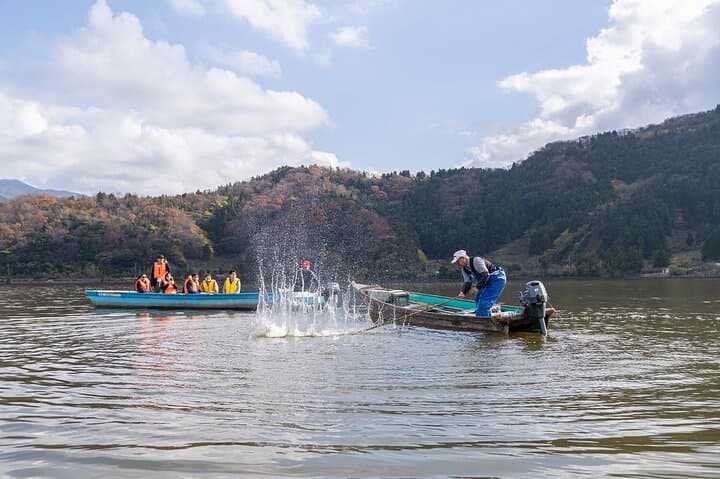
Fishing in Fukui Prefecture
Nestled in the heart of Japan's Chubu region, Fukui Prefecture is a hidden gem for fishing enthusiasts. With its stunning coastal landscapes, picturesque rivers, and a rich array of fish species, Fukui offers a diverse fishing experience that caters to both seasoned anglers and novices alike. Whether you're casting a line in the tranquil waters of Lake Biwa or battling the tides in the Sea of Japan, Fukui promises unforgettable fishing adventures.
Top Fishing Spots
1. The Sea of Japan
The northern coastline of Fukui Prefecture meets the Sea of Japan, where you can find an abundance of marine life. This area is particularly renowned for its deep-sea fishing opportunities.
- Target Species: Bluefin Tuna, Yellowtail, and Mackerel.
- Best Techniques: Trolling and bottom fishing are effective here.
- Best Season: Late spring to early autumn is prime time for tuna.
2. Lake Biwa
As one of Japan's largest freshwater lakes, Lake Biwa is a must-visit fishing destination. Its serene environment makes it perfect for a relaxing day on the water.
- Target Species: Ayu (sweetfish), Black Bass, and Carp.
- Best Techniques: Fly fishing and spinning are popular methods here.
- Best Season: Spring and early summer for Ayu; year-round for Carp.
3. The Kuzuryu River
This picturesque river flows through Fukui and is known for its scenic beauty and rich biodiversity.
- Target Species: Japanese Eel, Rainbow Trout, and Char.
- Best Techniques: Casting lures and bait fishing work well.
- Best Season: Spring and autumn are ideal for Trout and Char.
4. Tsuruga Bay
Located on the western coast, Tsuruga Bay is famous for its abundant marine life and stunning views.
- Target Species: Flatfish, Squid, and various Pelagic Fish.
- Best Techniques: Drifting and jigging are effective here.
- Best Season: Spring to early autumn for Squid and Flatfish.
5. Echizen Coast
The Echizen Coast offers fantastic opportunities for both inshore and offshore fishing.
- Target Species: Red Snapper, Horse Mackerel, and Sea Bream.
- Best Techniques: Bottom fishing and live bait.
- Best Season: Summer and autumn are most productive.
Popular Fish Species
- Bluefin Tuna: Highly sought after for its size and flavor, often found in deeper waters.
- Ayu: A sweetfish unique to Japan, renowned for its delicate taste and caught mainly in rivers.
- Black Bass: A favorite among freshwater anglers, particularly in the calm waters of Lake Biwa.
- Japanese Eel: Known for its rich flavor, it thrives in rivers and estuaries.
- Red Snapper: A prized catch along the coast, known for its flaky white meat.
Best Time to Fish
Fukui Prefecture offers year-round fishing, but the peak seasons vary by species:
- Spring (March - May): Best for Ayu and freshwater species.
- Summer (June - August): Ideal for Bluefin Tuna and various inshore fishes.
- Autumn (September - November): Great for Squid and Flatfish.
- Winter (December - February): Still viable for Carp and some saltwater species.
Fishing Tips
To make the most of your fishing experience in Fukui, consider the following tips:
- Bring appropriate gear: Depending on your target species, ensure you have the right rods, reels, and tackle.
- Local bait: Using local bait can significantly increase your chances of a good catch.
- Respect local customs: Be mindful of fishing etiquette and practices upheld by local anglers.
- Hire a local guide: For the best experience, consider hiring a local fishing charter or guide who knows the waters.
Need to Know
Before heading out, familiarize yourself with these important regulations and practical tips:
- Fishing Licenses: A fishing license is required for freshwater fishing. Ensure you obtain one before your trip.
- Regulations: Be aware of catch limits and size restrictions for different species.
- Weather Considerations: Check the weather forecast, as conditions can change rapidly, especially at sea.
- Safety Gear: Always wear a life jacket when fishing from a boat.
In conclusion, Fukui Prefecture is a remarkable destination for anglers looking to explore Japan's diverse fishing opportunities. With breathtaking landscapes and a wide variety of fish species, you’re sure to create lasting memories on the waters of Fukui. Whether you are fishing from the shores of the Sea of Japan or the tranquil banks of Lake Biwa, your next great catch awaits!