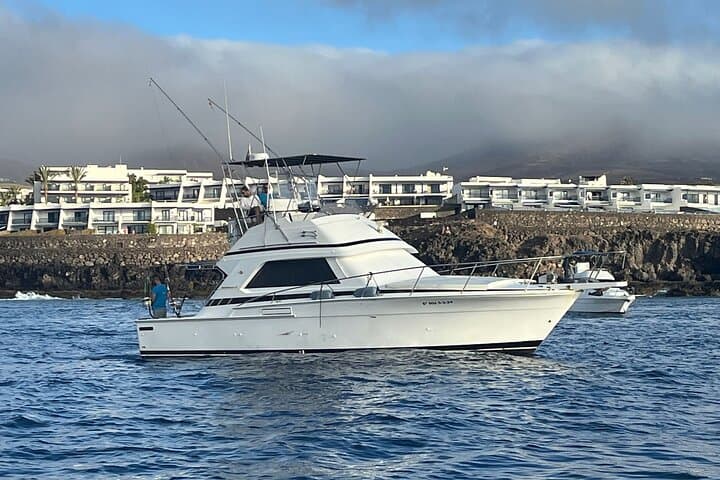
Fishing in La Gomera
Welcome to La Gomera, one of the hidden jewels of the Canary Islands in Spain! This small island is not only renowned for its breathtaking landscapes and rich cultural heritage but also offers some incredible fishing opportunities. With its diverse marine ecosystems, La Gomera is the perfect destination for anglers of all skill levels, whether you're seeking a relaxing day of inshore fishing or an adrenaline-pumping deep-sea adventure.
Whether you’re casting your line into the crystal-clear waters or exploring the island's rugged coastline, La Gomera promises a fishing experience that is as exciting as it is rewarding. Let’s dive into what makes fishing here so special!
Top Fishing Spots
1. Valle Gran Rey
Located on the southwestern coast of La Gomera, Valle Gran Rey is known for its stunning cliffs and vibrant marine life. This area is fantastic for both inshore and offshore fishing.
- Fish Species: Expect to catch yellowtail, tuna, and barracuda.
- Best Techniques: Trolling and bottom fishing are highly effective here.
- Best Season: The summer months from June to September are particularly fruitful.
2. San Sebastián de La Gomera
The capital city, San Sebastián, offers a convenient launch point for fishing charters. Its proximity to deeper waters makes it a great spot for those looking to catch larger species.
- Fish Species: Look out for marlin, swordfish, and dolphinfish.
- Best Techniques: Deep-sea trolling is recommended.
- Best Season: Marlin fishing peaks from May to October.
3. La Calera
This picturesque fishing village is ideal for anglers who prefer more tranquil settings with abundant inshore fishing opportunities.
- Fish Species: You can catch grouper, snapper, and various local species.
- Best Techniques: Use light tackle for a more engaging experience.
- Best Season: Year-round fishing, but the spring months are particularly productive.
4. Playa de Santiago
Another excellent location for fishing, Playa de Santiago offers both inshore and offshore options, making it a versatile spot for anglers.
- Fish Species: Target mackerel, sardines, and bonito.
- Best Techniques: Spinning and fly fishing are great methods here.
- Best Season: The best fishing is often found in the late spring and early fall.
5. Roque de Agando
For the more adventurous anglers, the waters around the Roque de Agando are teeming with life, making it a prime fishing area.
- Fish Species: Expect to hook tuna, sharks, and amberjack.
- Best Techniques: Use heavy tackle for big game fishing.
- Best Season: Late summer to early fall is the best time for larger species.
Popular Fish Species
- Yellowtail: Known for its fighting spirit and delicious taste.
- Tuna: Fast and powerful, making it a thrilling catch.
- Marlin: The ultimate prize for many anglers, recognized for its size and strength.
- Grouper: A local favorite, often found in rocky areas.
- Snapper: A versatile fish, great for both eating and sport.
Best Time to Fish
La Gomera offers fishing opportunities year-round, but certain species have peak seasons:
- Year-Round: Grouper and snapper can be caught any time of the year.
- May to October: Marlin and tuna are plentiful during these months.
- Spring and Fall: Ideal for mackerel and sardines.
Fishing Tips
To make the most of your fishing trip in La Gomera, keep these practical tips in mind:
- Local Knowledge: Consider hiring a local fishing charter to benefit from their expertise.
- Gear: Bring appropriate gear for both inshore and offshore fishing.
- Weather: Check the weather conditions before heading out, as they can change rapidly.
- Respect the Environment: Follow local fishing regulations and practice sustainable fishing methods.
Need to Know
Before you cast your line, here are some important details about fishing regulations in La Gomera:
- Licenses: A fishing license is required for both residents and visitors. These can typically be obtained through local authorities or fishing charters.
- Regulations: Familiarize yourself with local fishing regulations, including catch limits and protected species.
- Safety: Always prioritize safety, especially if you're venturing into deeper waters. Life jackets and safety gear are essential.
In conclusion, La Gomera is a fishing paradise that offers a unique blend of adventure, relaxation, and the chance to catch a variety of fish. Whether you are a novice or an experienced angler, the island’s stunning beauty and rich marine life will create memories that last a lifetime. So grab your gear and get ready for an unforgettable fishing experience in La Gomera!