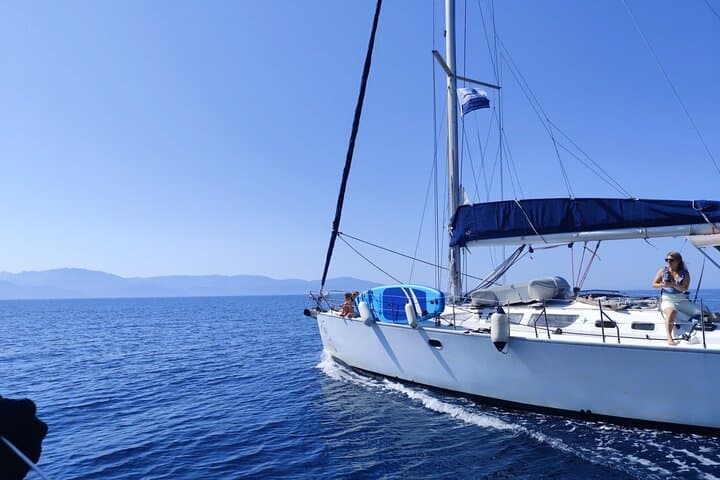
Fishing in Northeast Aegean Islands
The Northeast Aegean Islands offer a stunning backdrop for fishing enthusiasts, combining rich marine biodiversity with breathtaking landscapes. This hidden gem in Greece is perfect for both seasoned anglers and beginners alike, providing a variety of fishing experiences—from tranquil inshore spots to thrilling deep-sea adventures.
With its crystal-clear waters and picturesque islands, the Northeast Aegean Islands promise an unforgettable fishing journey. You can catch everything from tuna to snapper, making it an ideal destination for those looking to reel in a trophy fish or simply enjoy a day on the water.
Top Fishing Spots
1. Lesbos Island
Renowned for its diverse marine life, Lesbos Island is a must-visit for any angler.
- Target Species: Bream, Snapper, and Grouper
- Best Techniques: Bottom fishing and trolling
- Best Season: Spring and early summer
Lesbos provides plenty of sheltered bays where you can easily anchor and cast your line, making it an excellent spot for both inshore and offshore fishing.
2. Chios Island
Chios Island, famous for its mastic trees, also boasts rich fishing waters.
- Target Species: Sardines, Mackerel, and Tuna
- Best Techniques: Live bait fishing and jigging
- Best Season: Late summer for Tuna and Mackerel
This island offers both deep-sea fishing opportunities and access to calmer areas where you can enjoy a leisurely fishing experience.
3. Samos Island
Known for its lush landscapes, Samos Island also features some of the best fishing grounds in the region.
- Target Species: Sea Bass, Snapper, and Octopus
- Best Techniques: Spinning and fly fishing
- Best Season: Autumn
With its rocky coastlines and vibrant marine habitats, Samos is a fantastic location for anglers looking to catch a variety of species.
4. Lemnos Island
The lesser-known Lemnos Island is a hidden treasure for fishing enthusiasts.
- Target Species: Amberjack, Grouper, and Barracuda
- Best Techniques: Trolling and bottom fishing
- Best Season: Summer months
Its serene waters and less crowded fishing spots make it perfect for those seeking a peaceful fishing experience.
Popular Fish Species
- Sea Bass: Known for its delicious taste and challenging fight, making it a favorite among anglers.
- Snapper: A colorful species that is both fun to catch and great for dinner.
- Tuna: A thrilling catch that can grow to impressive sizes, especially in summer.
- Octopus: A unique target for those looking for something different, often caught in rocky areas.
- Amberjack: Known for its strength and speed, it’s a prized catch for deep-sea fishing enthusiasts.
Best Time to Fish
The Northeast Aegean Islands offer year-round fishing, but the peak seasons vary depending on the species:
- Spring (March to May): Ideal for Bream and Snapper.
- Summer (June to August): Best for Tuna and Mackerel.
- Autumn (September to November): Perfect for Sea Bass and Octopus.
- Winter (December to February): Fishing can be slower, but some species like Grouper are available.
Fishing Tips
To make the most out of your fishing trip in the Northeast Aegean Islands, consider the following tips:
- Equipment: Bring quality gear suitable for both inshore and offshore fishing.
- Local Knowledge: Hiring a local guide can enhance your experience, providing insight into the best spots.
- Timing: Early morning or late afternoon are the prime times to fish.
- Local Bait: Using local bait can significantly increase your chances of a successful catch.
Need to Know
Before heading out, be aware of the following regulations and practical information:
- Licenses: A fishing license is required for recreational fishing in Greece.
- Regulations: Familiarize yourself with local fishing regulations, including size limits and protected species.
- Weather: Always check the weather forecast, as conditions can change rapidly.
- Safety: Wear a life jacket and ensure your boat is equipped with safety equipment.
The Northeast Aegean Islands provide a stunning and diverse fishing experience perfect for any angler. With its breathtaking scenery, plentiful fish species, and welcoming local culture, it’s a destination that should be on every fishing enthusiast's bucket list!