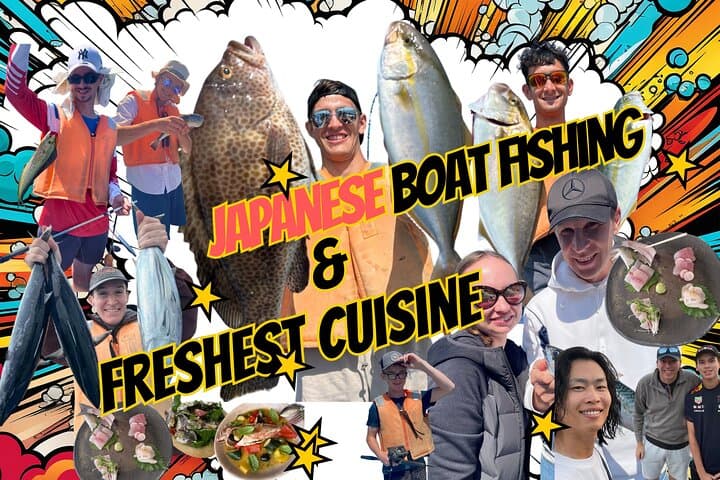
Fishing in Roppongi
Welcome to Roppongi, a vibrant district in the heart of Tokyo, Japan, known not just for its nightlife and art scene, but also for its unique fishing opportunities. While Roppongi may not be the first place that comes to mind for fishing, this urban oasis offers a diverse range of fishing experiences that cater to both seasoned anglers and beginners alike. From tranquil freshwater spots to thrilling offshore adventures, Roppongi provides an exciting backdrop for your next fishing expedition.
Whether you are looking to cast your line in picturesque parks or venture out into Tokyo Bay, Roppongi has something special to offer every fishing enthusiast. Let’s dive deeper into the top fishing spots, popular fish species, and essential tips to make your fishing journey in Roppongi unforgettable.
Top Fishing Spots
1. Tokyo Bay
Just a short distance from Roppongi, Tokyo Bay is an excellent location for both offshore and inshore fishing. This bustling bay is home to a variety of fish species, making it a hotspot for anglers of all skill levels.
- Fish Species: Japanese flounder, sea bream, and yellowtail are among the popular catches.
- Best Techniques: Trolling and bottom fishing are effective methods here.
- Season: Best fished during spring and autumn for the highest yields.
2. Arisugawa Park
Located within the city, Arisugawa Park offers a serene escape from the urban landscape and is perfect for freshwater fishing.
- Fish Species: Common carp and tilapia can be found in the small pond.
- Best Techniques: Fly fishing and bait fishing work well in this tranquil setting.
- Season: Ideal for fishing during spring and early summer.
3. The Sumida River
The Sumida River flows through Tokyo and offers great fishing opportunities, especially for those who prefer river fishing.
- Fish Species: You can catch ayu (sweetfish), black bass, and catfish.
- Best Techniques: Spinning and float fishing are popular techniques here.
- Season: Best fished from late spring to early autumn.
4. Shinjuku Gyoen National Garden
While primarily known for its stunning gardens, Shinjuku Gyoen also has fishing spots where anglers can relax and enjoy nature.
- Fish Species: Koi and goldfish can be targeted here.
- Best Techniques: Simple bait fishing is effective for beginners.
- Season: Year-round fishing is possible, but summer yields are the best.
Popular Fish Species
- Japanese Flounder: A flatfish that is a favorite for its delicate flavor.
- Sea Bream: Known for its fighting spirit, it's a prized catch among local anglers.
- Yellowtail: Highly sought after for its delicious taste, especially in sushi.
- Ayu: A sweetfish that is a seasonal delicacy in Japan.
- Black Bass: A popular target for freshwater enthusiasts.
- Koi: Often caught in urban parks, these colorful fish are more for enjoyment than for eating.
Best Time to Fish
The fishing seasons in Roppongi vary based on the species you are targeting. Here’s a quick overview:
- Spring: This is one of the best seasons to fish, particularly for yellowtail and sea bream.
- Summer: Excellent for black bass and koi fishing, with many local parks being accessible.
- Autumn: A great time for Japanese flounder as they come closer to shore.
- Winter: Fishing can be less productive, but some species like ayu may still be caught in warmer waters.
Fishing Tips
To enhance your fishing experience in Roppongi, keep these tips in mind:
- Research Local Regulations: Always check local fishing regulations before heading out.
- Bring the Right Gear: Ensure you have appropriate fishing gear, including rods, reels, and bait suited for the species you plan to target.
- Stay Hydrated and Protected: The sun can be strong, so bring water and sunscreen.
- Respect Nature: Follow local customs and practices, and ensure you clean up after yourself.
Need to Know
Before embarking on your fishing adventure in Roppongi, here are a few practical details:
- Fishing Licenses: Confirm whether you need a fishing license for your chosen fishing spot.
- Local Regulations: Be aware of size and bag limits for certain species.
- Accessibility: Many fishing spots in Roppongi are easily accessible by public transportation, making it convenient for both locals and tourists.
- Charter Services: Consider booking a local fishing charter for an organized experience, especially if you're interested in deep-sea fishing.
Roppongi may surprise you with its fishing potential nestled amid the hustle and bustle of Tokyo. With the right knowledge and preparation, you can enjoy a memorable fishing experience in this unique urban setting. Happy fishing!