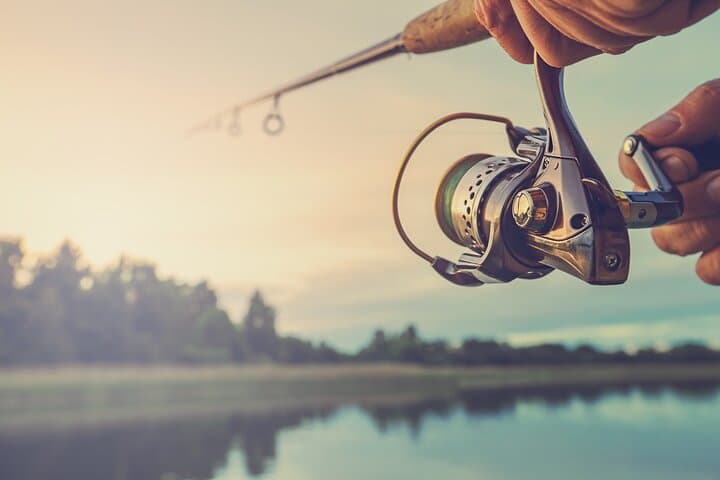
Fishing in Sao Paulo
Welcome to Sao Paulo, a bustling metropolis that offers an extraordinary blend of urban life and natural beauty. While it may be known for its vibrant culture and culinary scene, Sao Paulo is also a hidden gem for fishing enthusiasts. With its diverse fishing experiences, from serene freshwater lakes to the expansive Atlantic Ocean, anglers of all skill levels can find their perfect catch in this dynamic city.
Explore the rich fishing heritage of Sao Paulo, where both inshore and offshore adventures await. Whether you're a seasoned angler looking for trophy fish or a beginner eager to learn the ropes, this guide will introduce you to the best fishing spots, species, and tips to make your fishing experience unforgettable.
Top Fishing Spots
1. Guarapiranga Reservoir
The Guarapiranga Reservoir is one of the most popular fishing destinations in Sao Paulo. Located just a short drive from the city center, this reservoir is an excellent spot for freshwater fishing.
- Fish Species: Here, you can catch tilapia, tambaqui, and pacu.
- Best Techniques: Use light tackle with live bait for the best results.
- Best Season: The best time to fish here is during the summer months (December to February) when fish are more active.
2. Billings Reservoir
Another freshwater option is the Billings Reservoir, known for its beautiful scenery and abundant fish populations.
- Fish Species: Expect to catch largemouth bass, peacock bass, and various catfish species.
- Best Techniques: Fly fishing and spinning gear work exceptionally well here.
- Best Season: Fish are plentiful year-round, but the best time is during the rainy season (November to March).
3. Santos Coast
For those looking for offshore adventures, head to the Santos Coast. This area offers deep-sea fishing opportunities just a short boat ride from the city.
- Fish Species: Target species like marlin, tuna, and swordfish.
- Best Techniques: Trolling and bottom fishing are effective methods here.
- Best Season: The best months for offshore fishing are from May to September.
4. Praia Grande
Praia Grande is a stunning beach destination where inshore fishing is a popular activity among locals and tourists alike.
- Fish Species: Common catches include snapper, mackerel, and shark.
- Best Techniques: Surfcasting is a popular technique for this area.
- Best Season: The summer months (December to March) are ideal for beach fishing.
Popular Fish Species
Sao Paulo is home to a variety of fish species that cater to different angling preferences. Here are some of the main species you can target:
- Tilapia: A popular freshwater species known for its mild flavor and availability.
- Largemouth Bass: A favorite among sport fishers for its fighting spirit.
- Pacu: A unique fish with a strong bite, ideal for those looking for a challenge.
- Marlin: A prized catch in offshore fishing that offers an exhilarating fight.
- Tuna: Fast and powerful, tuna fishing in Sao Paulo is an adventure not to be missed.
Best Time to Fish
Understanding the best times to fish in Sao Paulo can significantly enhance your experience. Here’s a breakdown of the peak fishing seasons:
- Year-Round: Tilapia, largemouth bass, and pacu can be caught throughout the year.
- Seasonal: Offshore fishing for marlin and tuna is best from May to September, while freshwater fishing peaks in the summer months of December to February.
Fishing Tips
To maximize your fishing experience in Sao Paulo, consider these practical tips:
- Gear: Bring both light and medium tackle to cover various fishing techniques.
- Local Knowledge: Don't hesitate to hire a local guide who can provide valuable insights and help you navigate the waters.
- Respect Nature: Always practice catch and release where applicable and adhere to local fishing regulations.
Need to Know
Before you embark on your fishing adventure in Sao Paulo, here are some essential regulations and practical information:
- Licenses: A fishing license is required for both freshwater and saltwater fishing. Ensure you have one before heading out.
- Regulations: Be aware of local fishing regulations, including size limits and closed seasons for specific species.
- Weather: Always check the weather forecast before your trip, as conditions can change quickly.
With its incredible fishing opportunities and stunning surroundings, Sao Paulo is a must-visit destination for anglers. Whether you're casting your line in freshwater lakes or navigating the Atlantic waves, you're sure to create unforgettable memories. Happy fishing!