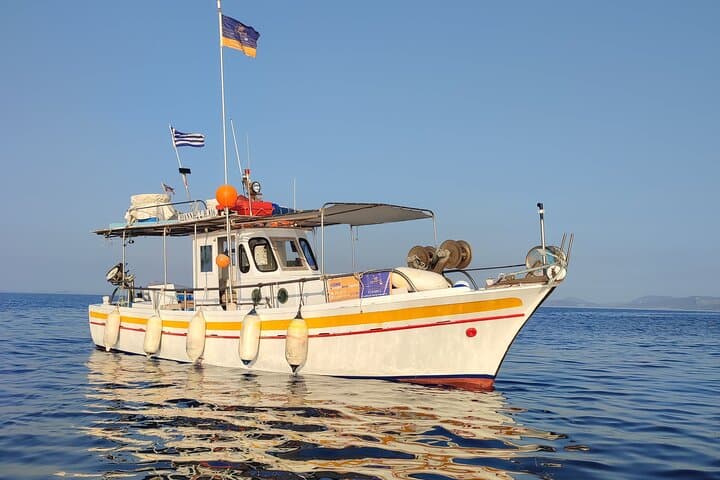
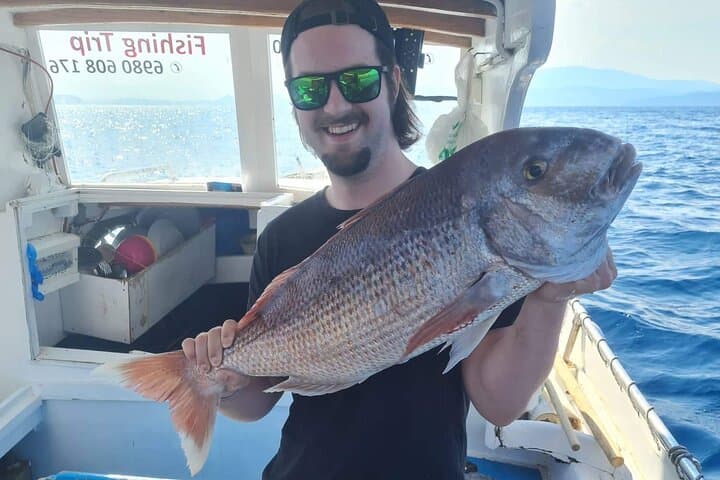
Fishing in Saronic Gulf Islands
The Saronic Gulf Islands in Greece offer an unparalleled fishing experience that attracts anglers from around the world. With crystal-clear waters, stunning landscapes, and a rich variety of fish species, this destination is a true paradise for fishing enthusiasts. Whether you're seeking the thrill of deep-sea fishing or a relaxing day casting lines from the shore, the Saronic Gulf Islands have something for everyone.
From the vibrant fishing communities to the serene beauty of the islands, the diverse fishing experiences available here make it a must-visit destination for both novice and seasoned anglers. Join us as we explore the top fishing spots, popular species, and essential tips to make your fishing adventure unforgettable!
Top Fishing Spots
1. Hydra
Known for its picturesque harbor and charming architecture, Hydra is an excellent spot for fishing. Here, anglers can target species such as snapper, bream, and grouper.
- Best Techniques: Light tackle and bottom fishing work well here.
- Best Season: Late spring through early autumn is ideal.
2. Spetses
The island of Spetses is renowned for its rich marine life and is a favorite among both locals and tourists. You can expect to catch a variety of fish, including tuna and mackerel.
- Best Techniques: Trolling and live bait fishing are very effective.
- Best Season: Summer months are peak for tuna.
3. Poros
Poros features calm waters and abundant sea life, making it a great choice for families. Common catches include sea bass and octopus.
- Best Techniques: Spinning and fly fishing are popular here.
- Best Season: Spring and early summer offer the best conditions.
4. Aegina
Aegina is famous for its fishing grounds and delicious pistachios. Anglers can expect to catch sardines and anchovies in these waters.
- Best Techniques: Anchoring and drift fishing are common practices.
- Best Season: Year-round, with peaks in late summer.
Popular Fish Species
- Snapper: A popular catch known for its delicious taste and fighting spirit.
- Bream: Valued for its tender meat, this fish is often found in shallower waters.
- Grouper: A robust fish that provides a thrilling challenge when hooked.
- Tuna: Known for its speed and size, making it a prized catch for sport fishermen.
- Sea Bass: A delicious fish that loves rocky bottoms and is sought after for its flavor.
- Octopus: Commonly found in rocky areas; a delicacy in Greek cuisine.
Best Time to Fish
The peak fishing seasons in the Saronic Gulf Islands vary by species:
- Tuna: Available mainly in the summer months, particularly from June to September.
- Snapper and Bream: Best caught from late spring to early autumn.
- Sea Bass: Can be fished year-round, but spring and early summer are ideal.
- Octopus: Best fished in the warmer months, especially from May to September.
Fishing Tips
To maximize your fishing experience in the Saronic Gulf Islands, consider the following tips:
- Bring the Right Gear: Lightweight spinning rods and reels are ideal for inshore fishing, while heavier gear is recommended for deep-sea fishing.
- Local Knowledge: Hiring a local fishing charter can provide invaluable insights into the best spots and techniques.
- Catch and Release: Practice sustainable fishing by releasing under-sized or non-target species.
- Respect Local Customs: Familiarize yourself with local fishing etiquette and regulations.
Need to Know
Before you set out on your fishing adventure in the Saronic Gulf Islands, here are some important points to keep in mind:
- Fishing Licenses: A valid fishing license is required for both local and visiting anglers. Make sure to obtain one before fishing.
- Regulations: Be aware of local fishing regulations, including size limits and seasonal restrictions.
- Safety First: Always wear a life jacket when fishing from a boat, and keep safety equipment on hand.
- Respect the Environment: Dispose of waste properly and avoid disturbing marine habitats.
In conclusion, fishing in the Saronic Gulf Islands promises to be a memorable experience with its stunning scenery, diverse fish species, and welcoming local culture. Whether you're casting your line from a boat or the shore, you're bound to encounter the thrill of the catch and the beauty of Greece's coastal waters. Book your fishing charter today and set sail for an unforgettable adventure!