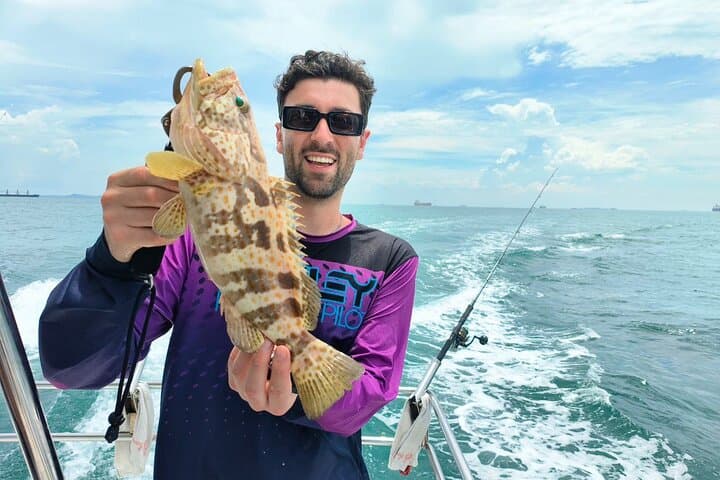
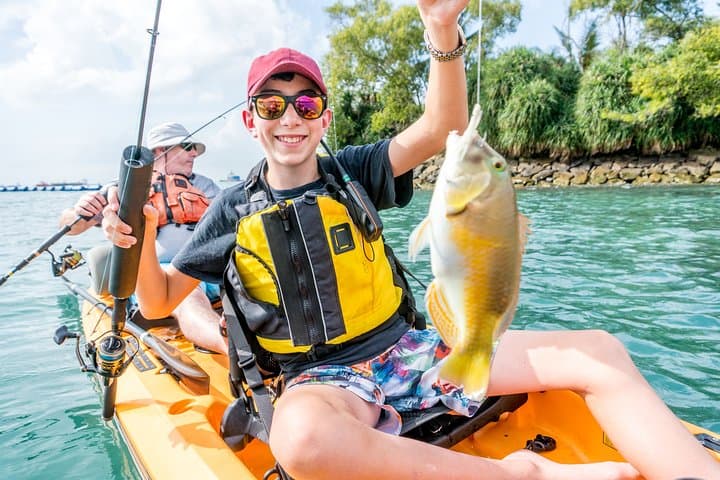
Fishing in Sentosa Island
Welcome to Sentosa Island, a paradise not only for sunseekers but also for fishing enthusiasts! Nestled in Singapore, this tropical island is renowned for its stunning beaches and vibrant marine life, making it an ideal destination for anglers of all skill levels. With diverse fishing experiences available, from tranquil inshore waters to the thrilling deep-sea adventures, Sentosa Island offers something for everyone.
Top Fishing Spots
1. Siloso Beach
Siloso Beach is one of the most popular spots for anglers looking to catch a variety of fish. The shallow waters are teeming with life and offer a perfect setting for both novice and seasoned fishermen.
- Fish Species: Common catches include Snapper, Grouper, and Barramundi.
- Best Techniques: Shore fishing with bait like shrimp or squid is recommended.
- Best Season: Year-round, but early morning and late evening are prime times.
2. Palawan Beach
Known for its beautiful scenery, Palawan Beach is not just a visual treat but also a great fishing location. The waters here are rich in nutrients, attracting a variety of fish.
- Fish Species: Look out for Trevally, Sea Bass, and Flathead.
- Best Techniques: Light tackle fishing with lures is often effective.
- Best Season: Peak fishing season is from May to October.
3. Sentosa Cove
Sentosa Cove is a luxurious marina area that provides excellent opportunities for deep-sea fishing. The waters here are deeper, making it an exciting spot for experienced anglers.
- Fish Species: Target species include Marlin, Tuna, and Shark.
- Best Techniques: Trolling with lures or live bait is recommended.
- Best Season: The best time to fish here is from June to November.
4. Tanjong Beach
Another gem on Sentosa Island, Tanjong Beach offers a serene fishing experience. The calm waters make it ideal for families and beginners.
- Fish Species: Common catches include Mullet and Flatfish.
- Best Techniques: Use light fishing gear and natural bait for the best results.
- Best Season: Fishing is good year-round, especially during the early morning.
Popular Fish Species
- Snapper: A delicious and popular target for both beginners and seasoned anglers, found in shallow waters.
- Grouper: Known for their strong fight, groupers are often found around rocky reefs.
- Barramundi: A highly sought-after species, known for its fighting capability and delicious taste.
- Marlin: The ultimate deep-sea catch, known for its size and strength.
- Tuna: Fast and powerful, tuna are a thrilling catch for those venturing into deeper waters.
- Trevally: Known for their agility and strength, trevally are a favorite among sport fishermen.
Best Time to Fish
Sentosa Island's fishing opportunities are available throughout the year, but certain seasons offer peak experiences. The best time to fish largely depends on the fish species you are targeting:
- Snapper and Grouper: Best caught from May to October.
- Marlin and Tuna: Peak season is from June to November.
- Barramundi: Can be targeted year-round, with a slight increase in catch during the rainy season.
Fishing Tips
To enhance your fishing experience in Sentosa Island, consider the following tips:
- Bring the Right Gear: A light to medium fishing rod, suitable tackle, and a selection of lures and baits will optimize your chances of success.
- Check Local Weather: Always check the weather conditions before heading out, as they can change rapidly.
- Learn Local Techniques: Engaging with local fishermen can provide invaluable insights into effective fishing techniques and bait selection.
- Respect the Environment: Adhere to local regulations and practice catch-and-release where possible to preserve the fish populations.
Need to Know
Before embarking on your fishing adventure in Sentosa Island, here are some essential regulations and practical information:
- Fishing Licenses: A fishing license is required for recreational fishing in Singapore. Ensure you obtain one before casting your line.
- Local Regulations: Familiarize yourself with local fishing regulations, including size limits and prohibited species.
- Guided Charters: Consider booking a fishing charter for a guided experience, especially if you are new to the area.
With its beautiful waters and rich marine biodiversity, Sentosa Island is a premier destination for fishing adventures. Whether you are looking for a relaxing day by the shore or an exhilarating deep-sea experience, this island has it all. Pack your gear, head to the waters, and make unforgettable memories as you fish the stunning coasts of Sentosa!