Fishing in Sweden
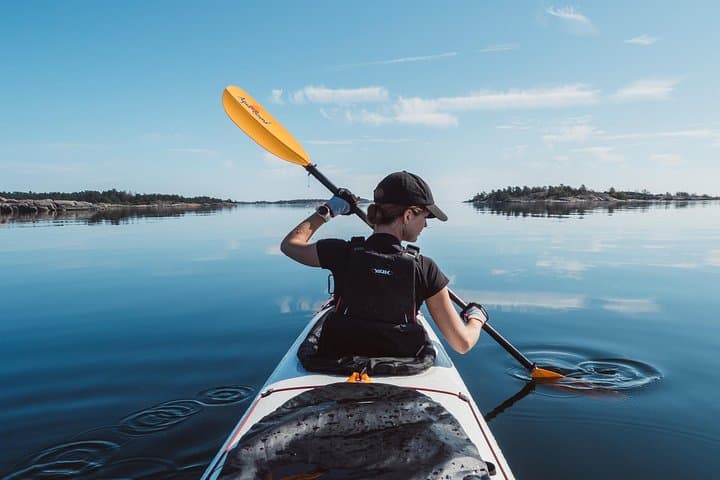
Sweden is a true angler's paradise, boasting a breathtaking landscape of pristine lakes, winding rivers, and an extensive coastline that stretches over 3,200 kilometers. The diverse ecosystems found throughout the country offer anglers a unique opportunity to experience a wide range of fishing styles, from tranquil freshwater lakes in the north to bustling coastal waters in the south. With its rich fishing heritage and abundant fish populations, Sweden is a top destination for fishing enthusiasts of all levels.
Top Fishing Spots
1. Stockholm Archipelago
The Stockholm Archipelago consists of over 30,000 islands, making it one of the largest archipelagos in the world. This stunning area is perfect for both inshore and offshore fishing.
- Fish Species: Sea trout, pike, perch, and bass.
- Best Techniques: Spin fishing and fly fishing are highly effective. Use light tackle for pike and fly rods for trout.
- Best Season: Late spring to early fall for the best action.
2. Lake Vänern
Lake Vänern, the largest lake in Sweden and the third-largest in Europe, is known for its bountiful fishing opportunities.
- Fish Species: Salmon, trout, pike, and zander.
- Best Techniques: Trolling and jigging are recommended for salmon and trout.
- Best Season: Spring and fall are prime times for salmon and trout fishing.
3. Uppsala River
The Uppsala River is a renowned spot for fly fishing enthusiasts looking for a peaceful experience.
- Fish Species: Brown trout and grayling.
- Best Techniques: Fly fishing with dry flies or nymphs.
- Best Season: Late spring to early summer.
4. Northern Sweden - Luleå Archipelago
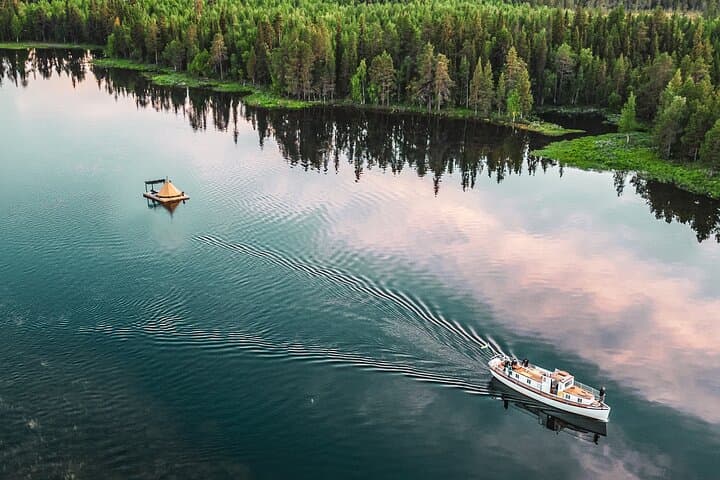
The Luleå Archipelago in Northern Sweden offers stunning scenery and fantastic fishing opportunities.
- Fish Species: Cod, perch, and pike.
- Best Techniques: Ice fishing in winter and trolling in summer.
- Best Season: Summer for open water fishing; winter for ice fishing.
5. Ystad and the Öresund Strait
The coastal town of Ystad provides access to the rich waters of the Öresund Strait.
- Fish Species: Sea trout, flounder, and eel.
- Best Techniques: Bottom fishing and spinning.
- Best Season: Spring and autumn for trout.
6. Gothenburg and the West Coast
Gothenburg is the gateway to Sweden's west coast, famous for its deep-sea fishing.
- Fish Species: Mackerel, cod, and herring.
- Best Techniques: Deep-sea fishing with heavy tackle.
- Best Season: Late spring to early fall.
Popular Fish Species
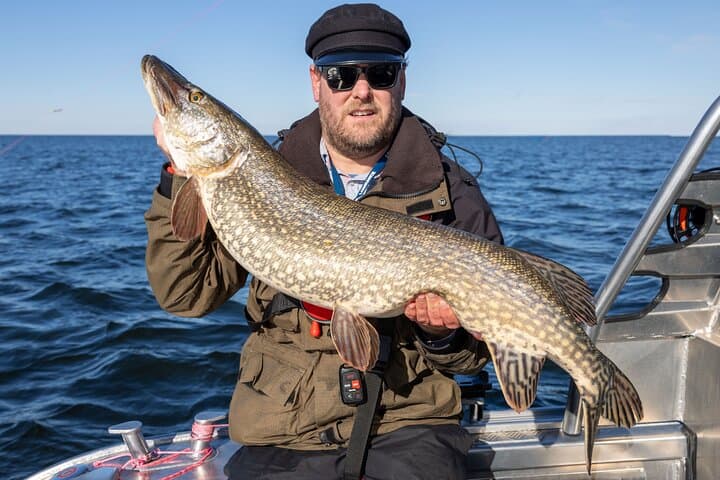
- Pike: A fierce predator, pike can be found in both freshwater and brackish waters.
- Trout: Both brown and rainbow trout thrive in Sweden's lakes and rivers.
- Salmon: Known as the king of fish, salmon are targeted in many of Sweden's rivers.
- Zander: A popular species in freshwater, zander are known for their excellent taste.
- Cod: Found in the coastal waters, cod is a staple of Swedish cuisine.
Best Time to Fish
The fishing season in Sweden varies by region and species. Here’s a breakdown:
- Year-Round: Pike, perch, and zander are available year-round.
- Spring (April - June): Ideal for trout and salmon in lakes and rivers.
- Summer (June - August): Great for inshore species like sea trout and mackerel.
- Autumn (September - November): A peak time for pike and salmon fishing.
- Winter (December - March): Ice fishing for species like perch and pike.
Fishing Tips
- Gear: Bring a versatile setup to cater to different species, including light and heavy tackle.
- Local Knowledge: Hiring a local guide can enhance your experience and improve your catch rate.
- Weather Considerations: Be prepared for rapidly changing weather, especially in northern regions.
- Respect Nature: Practice catch and release to help preserve Sweden’s diverse fish populations.
Need to Know
Before you embark on your fishing adventure in Sweden, here are some essential regulations and practical information:
- Fishing License: A fishing license is required for most freshwater fishing; ensure you obtain one before your trip.
- Local Regulations: Be aware of specific regulations regarding catch limits and protected species, which vary by region.
- Safety: Always wear a life jacket when fishing from a boat and be mindful of weather conditions.
With its diverse ecosystems and rich fishing opportunities, Sweden is a destination that promises excitement and adventure for anglers of all skill levels. Whether you're casting a line in the tranquil waters of a lake or battling a fierce salmon in a rushing river, the fishing experience in Sweden is truly unforgettable!