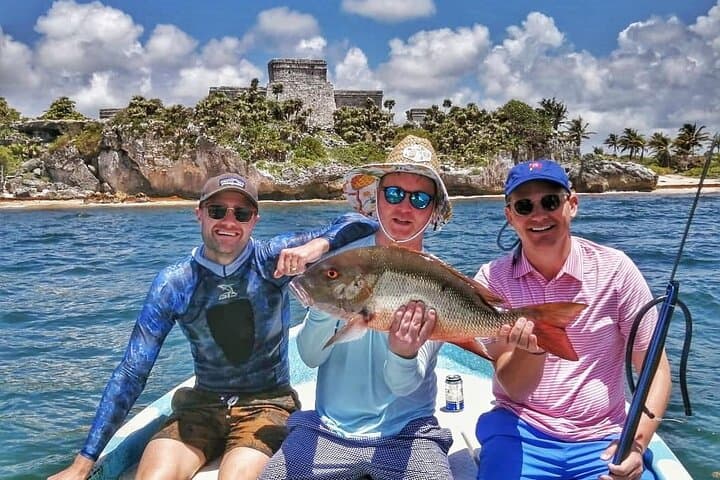
Fishing in Tulum
Tulum, located on the stunning Riviera Maya in Mexico, is not just a paradise for beach lovers; it’s a hidden gem for fishing enthusiasts. Whether you're an experienced angler or a novice looking to cast your first line, Tulum offers a diverse range of fishing experiences that cater to all skill levels. With its crystal-clear waters, rich marine biodiversity, and breathtaking coastal scenery, fishing in Tulum is an adventure you won't want to miss!
From deep-sea fishing to serene inshore spots, Tulum is home to a variety of fishing charters that can help you explore the best the region has to offer. Let’s dive into the top fishing locations, popular fish species, and essential tips for your next fishing trip in Tulum!
Top Fishing Spots
1. The Mesoamerican Reef
The Mesoamerican Reef, the second-largest barrier reef in the world, is a must-visit for anglers in Tulum. This vibrant ecosystem is teeming with life, making it an ideal spot for both deep-sea and snorkeling fishing.
- Fish Species: Mahi Mahi, Sailfish, Barracuda
- Best Techniques: Trolling and bottom fishing.
- Best Season: Year-round, with peak seasons for Sailfish from December to March.
2. Boca Paila Lagoon
Located within the Sian Ka'an Biosphere Reserve, Boca Paila Lagoon offers a unique fishing experience where the lagoon meets the Caribbean Sea. The shallow waters are perfect for fly fishing and sight fishing.
- Fish Species: Bonefish, Permit, Snook
- Best Techniques: Fly fishing and light tackle.
- Best Season: March to June for Bonefish.
3. Tulum's Beachfront
For those who prefer to fish from the shore, Tulum’s beachfront provides an excellent opportunity to catch a variety of species right from the sand.
- Fish Species: Snapper, Grouper, and smaller species like Pompano.
- Best Techniques: Surf casting and bottom fishing.
- Best Season: Year-round, with early mornings being the most productive.
4. Cenote Fishing
Tulum is famous for its cenotes (natural sinkholes) which offer a unique freshwater fishing experience. Fishing in cenotes is perfect for those looking to escape the ocean waves.
- Fish Species: Tilapia and various freshwater species.
- Best Techniques: Float fishing and lure casting.
- Best Season: Year-round, but cooler months provide the best conditions.
Popular Fish Species
- Mahi Mahi: Known for their vibrant colors and delicious taste, Mahi Mahi can be found in warmer ocean waters, making them a popular catch.
- Sailfish: Renowned for their speed and acrobatics, catching a Sailfish is a thrilling experience that every angler dreams of.
- Bonefish: A favorite among fly fishermen, Bonefish are known for their elusive nature and strong fight.
- Permit: These fish are highly sought after due to their challenging catch and are often found in shallow waters.
- Snapper: A staple in many fishing trips, Snapper is both fun to catch and delicious to eat.
Best Time to Fish
The fishing season in Tulum can vary based on the species you’re targeting:
- Year-Round: Snapper, Grouper, and Tilapia can be targeted throughout the year.
- Peak Seasons:
- Sailfish: December to March
- Bonefish: March to June
- Mahi Mahi: May to September
Each season brings its own unique opportunities, so be sure to plan your trip accordingly!
Fishing Tips
- Bring the Right Gear: Depending on your fishing style, ensure you have the necessary gear, including rods, reels, and tackle suitable for the species you're targeting.
- Local Knowledge: Hire a local guide or charter to maximize your chances of a successful catch. They know the best spots and techniques.
- Respect the Environment: Follow local regulations, practice catch and release where necessary, and dispose of waste responsibly.
- Timing Matters: Early mornings and late afternoons are often the best times to fish, especially for species like Snapper and Bonefish.
Need to Know
Before you embark on your fishing adventure in Tulum, here are some important points to keep in mind:
- Fishing Licenses: Ensure you have the appropriate fishing licenses, especially if you plan on deep-sea fishing.
- Local Regulations: Familiarize yourself with local fishing regulations, including size limits and seasonal restrictions.
- Safety First: Wear sunscreen, stay hydrated, and follow safety instructions provided by your charter or guide.
Fishing in Tulum offers an unforgettable experience that combines adventure, relaxation, and the thrill of the catch. Whether you’re casting from a boat in the open sea or wading through the cenotes, you’re sure to create memories that last a lifetime.