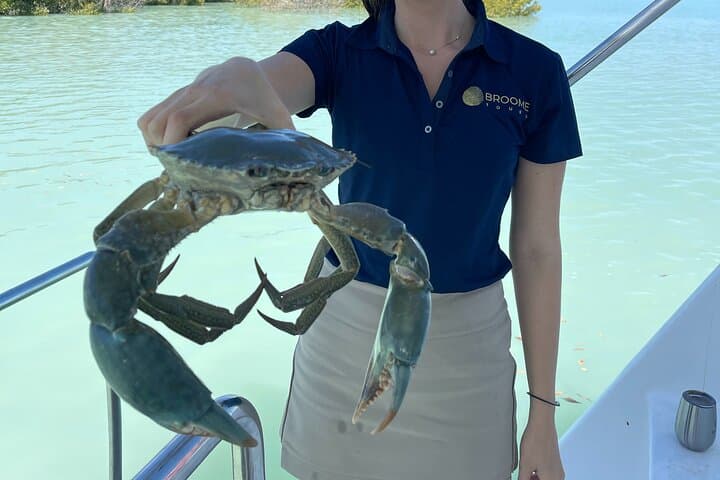
Fishing in Western Australia
Welcome to Western Australia, a paradise for anglers seeking both adventure and tranquility. With its vast coastline stretching over 20,000 kilometers, this region offers a plethora of fishing experiences, from pristine beaches to rich estuaries and remote freshwater lakes. Whether you're a seasoned angler or a novice, the diversity of fishing opportunities here is sure to captivate your spirit.
From the vibrant waters of the Coral Coast to the stunning landscapes of the South West, Western Australia is home to a variety of fish species and fishing techniques that cater to every taste. Let’s dive deeper into the top fishing spots, popular species, and everything you need to know for a successful fishing trip in this breathtaking destination.
Top Fishing Spots
Bunbury
Bunbury is not just a charming coastal town; it's also a hot spot for fishing enthusiasts. The waters here are teeming with bream, whiting, and flathead. The best fishing techniques include using light tackle and bait fishing, especially during the early morning or late afternoon.
Albany
Located on the southern coast, Albany provides access to both inshore and offshore fishing. Anglers can target species like snapper, king fish, and tuna in the deeper waters. The best time to fish in Albany is from October to April, with live bait proving to be particularly effective.
Geraldton
The waters around Geraldton are renowned for their rich marine biodiversity. Here, you can catch mackerel, Spanish mackerel, and sailfish. The local fishing charters often offer tours that can take you to the best spots, with trolling and bottom fishing being the most effective techniques.
Kalbarri
Kalbarri is famous for its stunning cliffs and the Murchison River. Anglers can enjoy fishing for estuary cod, mulloway, and black bream. The best fishing occurs during the cooler months, and both bait and lure fishing can yield impressive results.
Coral Bay
For those looking to experience world-class fishing, Coral Bay is a must-visit. The Ningaloo Reef is home to a variety of fish, including coral trout, red emperor, and trevally. The best fishing season is from April to September, and night fishing can be quite thrilling here.
Exmouth
Located near the Ningaloo Reef, Exmouth offers some of the best deep sea fishing in Australia. Anglers can target tuna, marlin, and shark. The peak fishing season runs from April to September, with both trolling and bottom fishing being popular methods.
Popular Fish Species
- Bream: A common catch in estuaries, known for its fighting spirit.
- Flathead: Found in shallow waters, they are delicious and fun to catch.
- Snapper: A prized species for many anglers, great for both eating and sport.
- Mulloway: A challenging catch, known for its size and strength.
- Coral Trout: Vibrantly colored and great for eating, found around reefs.
- Spanish Mackerel: Fast and aggressive, perfect for thrill-seekers.
Best Time to Fish
The fishing seasons in Western Australia vary significantly depending on the species you are targeting:
- Year-Round: Bream, flathead, and whiting can be caught at any time.
- October to April: Ideal for snapper and king fish.
- April to September: Best for deep sea species like marlin and tuna.
Fishing Tips
To maximize your success while fishing in Western Australia, consider the following tips:
- Local Knowledge: Engage with local fishing charters and guides for insider tips.
- Gear: Bring a mix of light and heavy tackle to cater to different fishing conditions.
- Technique: Experiment with both bait and lure fishing to discover what works best for you.
- Timing: Early mornings and late afternoons are typically the most productive times.
- Stay Safe: Always check weather conditions and be aware of local wildlife.
Need to Know
Before you embark on your fishing adventure in Western Australia, it’s essential to understand the regulations:
- Licenses: You will need a fishing license for recreational fishing in Western Australia. Ensure you obtain one before heading out.
- Bag Limits: Familiarize yourself with local bag limits and size restrictions to protect marine life.
- Environmental Concerns: Respect the local environment and practice sustainable fishing methods.
Western Australia is a haven for fishing enthusiasts, offering diverse experiences for all skill levels. From the stunning landscapes to the rich marine life, every cast of the line could lead to a new adventure. Grab your gear, choose a charter, and get ready to reel in the catch of a lifetime!